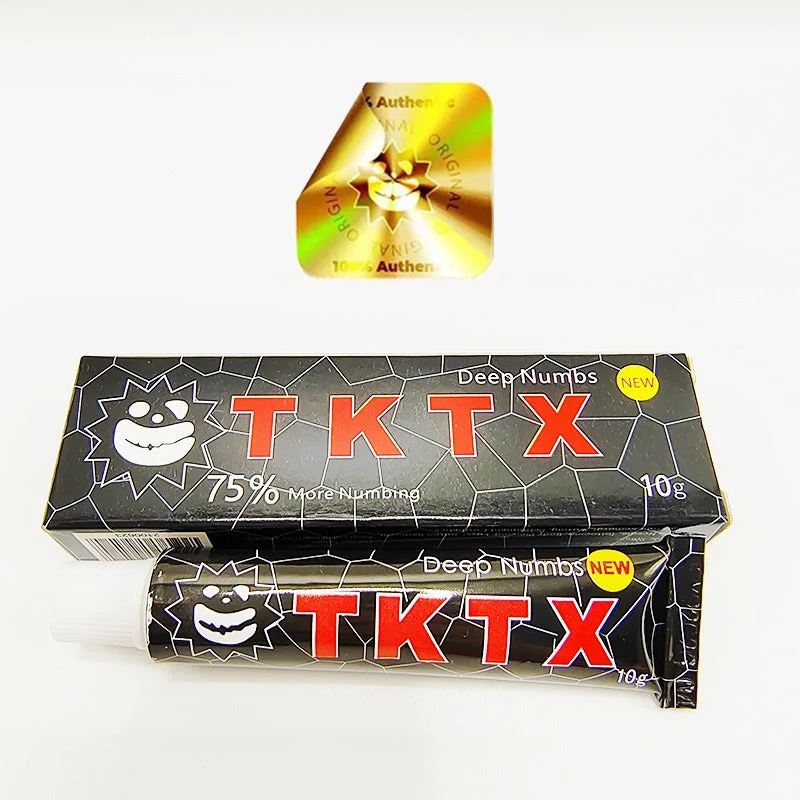
Tattoo work has shifted towards larger, more detailed pieces that keep clients in the chair for hours at a time while being inked. Many people book these sessions without thinking about how their body will cope with sustained discomfort. This is where a numbing cream has quietly become part of sensible preparation, rather than an afterthought reserved for the nervous minded.
As sessions grow longer, discomfort tends to build across the appointment rather than fade after the opening minutes. A well-formulated numbing cream reduces the sharp edge of sensation on the skin, which helps clients stay relaxed and still. That steadiness benefits the artist too, since calm skin and a settled client support cleaner, more accurate work.
Longer Sittings Expose a Comfort Gap Clients Rarely Plan For
Detailed Work Demands Sustained Stillness: Large-scale tattoos often require several hours of continuous work across multiple sessions. Sitting still for that length of time is physically demanding, and rising discomfort makes it harder to hold a position. In busy studios, artists routinely see clients tense up or shift during the later hours, which can affect line quality and stretch the appointment longer than planned.
Unmanaged Discomfort Narrows What One Sitting Can Achieve: When discomfort is left unaddressed, a long session often ends earlier than intended. Clients who reach their limit may ask to stop, which means the piece is split into extra appointments and finished weeks later. Each added visit brings further cost and a longer wait before the tattoo is complete and fully healed.
Steadier Skin Sensation Improves the Whole Appointment
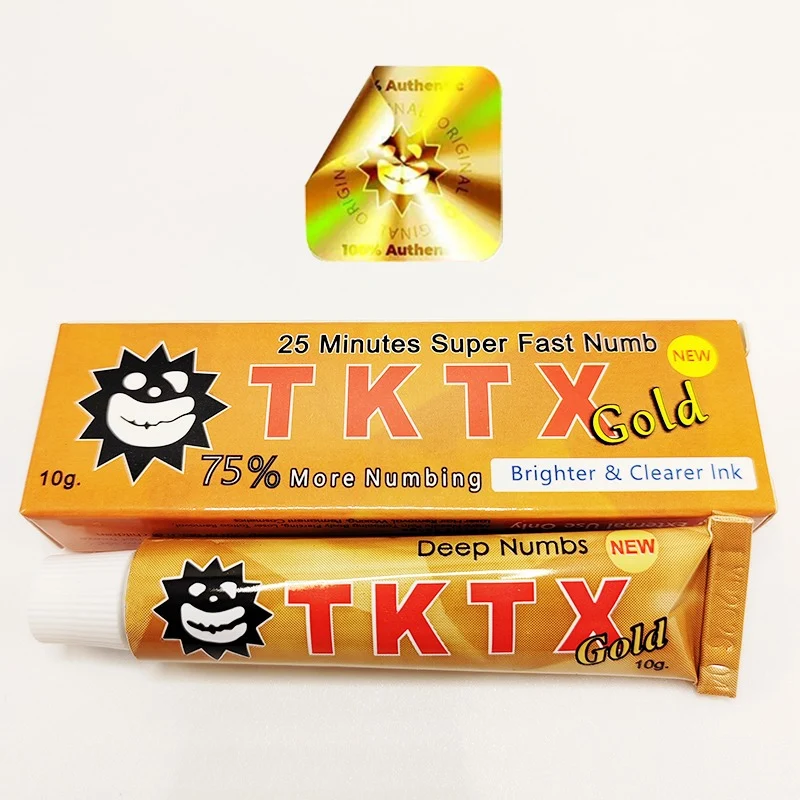
How Quality Formulas Calm the Skin’s Response: Numbing cream works by reducing the signals that skin nerves send while the needle moves through the upper layers. Most reliable preparations are built around amide anaesthetics such as lidocaine, a well-studied group used widely in medical and cosmetic settings. Applied correctly, they dull sensation at the surface without removing the client’s awareness of the session.
A Calmer Session Supports Better Results: A more comfortable client tends to produce a better tattoo. When the skin is settled and movement is reduced, the artist can work at a consistent pace and place fine detail with greater control. For the client, that usually means fewer breaks and a steadier experience across long hours, with artwork that reflects the care put into it.
Managed Comfort Compares Well against an Unprepared Sitting
Advance Application Supports Steadier Absorption: Preparing the skin in advance gives a noticeably different experience from sitting unassisted through a long piece. Numbing cream is spread as an even layer over clean skin and then covered with film before the appointment. Covering the area, a method known as occlusion, slows evaporation and helps the active ingredient absorb steadily into the surface.
Honest Trade-Offs Worth Knowing: The cream is helpful, though it does not remove the need for planning. Its effect fades over time and may need reapplication during very long work, which the artist should agree to beforehand. Sensitive skin can react, so a small patch test a day earlier is sensible. Set against hours of raw sensation, careful preparation is usually the practical choice.
Comfort Preparation Pays Off across Future Sessions and Procedures
Smoother First Sittings Reduce Repeat Work: Completing more of a tattoo in each comfortable sitting can lower the total number of visits a large piece needs. When a client stays settled, the artist is less likely to rush the final hour, which supports clean healing and reduces the chance of touch-ups later. Over a full project, that steadier progress protects both time and budget.
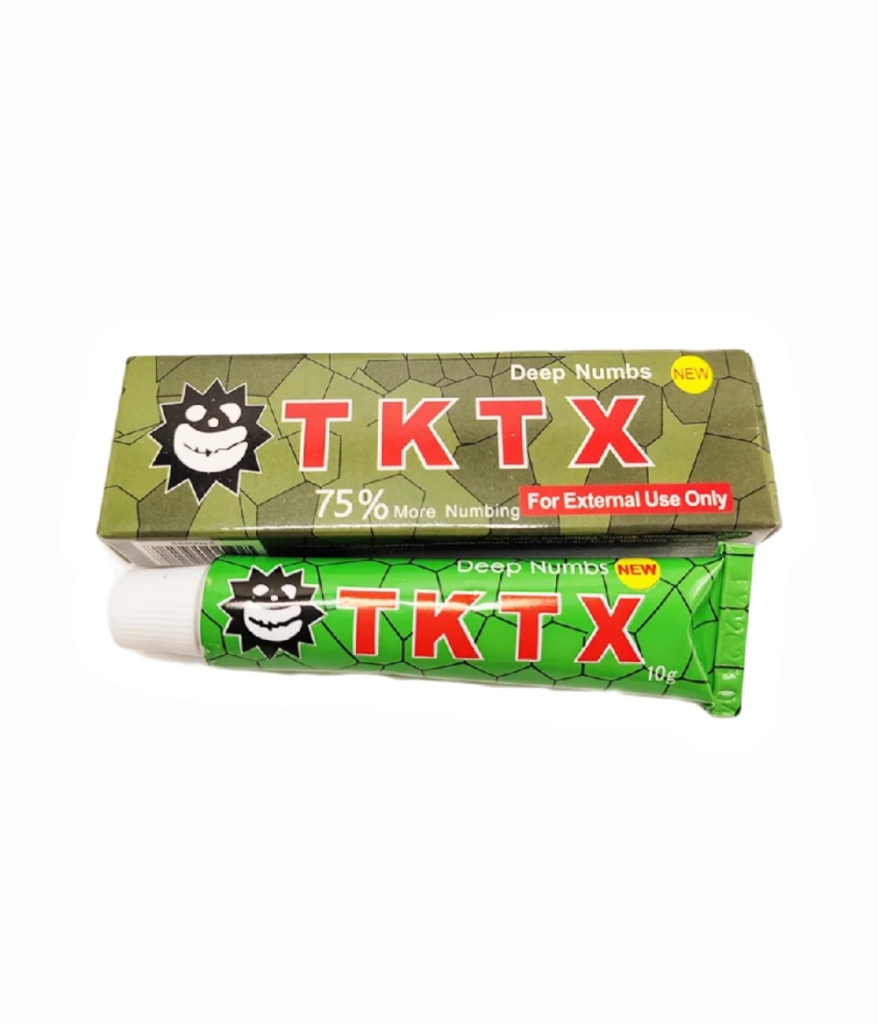
Support across Tattoo and Cosmetic Treatments: The same preparation suits a wide range of skin procedures beyond tattoos. People booking cosmetic tattooing, body piercings, laser sessions, or injectable treatments often use similar products to stay comfortable. A quality option that works across these situations gives repeat clients a familiar routine they can rely on, whichever appointment they are preparing for next.
Practical Points to Weigh before Your Next Appointment
A few practical considerations help clients get the most from careful preparation. Keeping these in mind makes it easier to plan a long session and to set clear expectations with the artist before any work begins. The points below outline where numbing cream fits into the process and what is worth checking first.
- Apply numbing cream to clean, dry skin and allow the full recommended time before the session starts.
- Cover the treated area with film so the product stays active and absorbs evenly.
- Carry out a small patch test a day before to check for any skin reaction.
- Tell the artist you have used a numbing product so timing and reapplication can be planned.
- Expect the effect to ease over long sittings, and agree on a top-up approach in advance.
- Follow standard aftercare once the tattoo is finished to support clean, healthy healing.
Walk into Your Next Session Ready and Settled
As tattoo styles keep moving towards larger and more detailed work, comfort has become part of getting a good result rather than a luxury on the side. Clients who prepare well tend to sit more easily and complete more in each session. Turning up unprepared for hours of intricate work often means more breaks and more strain than expected.
Choosing a well-made numbing cream is a simple way to protect both the experience and the finished artwork. With a longer or more detailed piece on the horizon, it makes sense to sort out comfort before the work begins rather than after. Browse the range at Numbing Cream Australia and get in touch through the website to plan your next session.