
Linens are so common that people rarely stop to think about how many places depend on them. A clean towel in a hotel bathroom, a crisp tablecloth at a restaurant, fresh sheets in a guest room, or a neatly folded napkin at a catered event can seem like a small detail. Behind the scenes, however, businesses often need substantial quantities of linens to maintain cleanliness, comfort, presentation, and efficient daily operations.
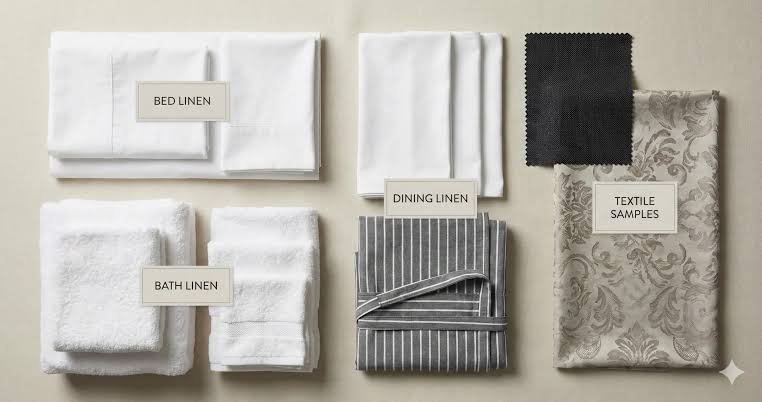
The word “linens” can cover much more than traditional bed sheets. Depending on the setting, it may include towels, tablecloths, napkins, pillowcases, bedding, kitchen textiles, aprons, and other reusable fabric products. Some organizations purchase and maintain these items themselves, while others work with linen providers that supply clean products and handle collection and laundering. The right approach depends on how many linens are used, how quickly they become soiled, and how important consistent availability is to the operation.
Hotels and Lodging Depend Heavily on Linens
Hotels are probably one of the first places people think about when discussing commercial linen use, and for good reason. Every occupied room can require sheets, pillowcases, bath towels, hand towels, washcloths, and other textile products.
Guests may never see the laundry operation behind their stay, but they certainly notice the finished result. Fresh bedding and clean towels contribute to the feeling that a room has been properly prepared. Stained, worn, or unavailable linens can create the opposite impression.
The challenge is volume. A hotel with 150 occupied rooms can go through hundreds of individual linen items in a single day. Housekeeping teams need enough clean inventory to turn rooms efficiently, while additional stock may be necessary to account for laundry schedules, damaged items, unexpected demand, and busy travel periods.
Resorts and other lodging businesses may have even broader requirements. Pools, spas, fitness centers, restaurants, and event spaces can all add separate categories of towels and linens to the daily workload.
This makes linen management an operational concern rather than simply a housekeeping detail.
Restaurants Use Linens for Function and Presentation
Restaurants represent another major setting where linens can play an important role.
Depending on the concept, dining establishments may use cloth napkins, tablecloths, table runners, kitchen towels, aprons, bar towels, and other textile products. Fine-dining restaurants may place considerable emphasis on the appearance of table linens, while busy kitchens care just as much about having enough clean towels available throughout service.
Linens can influence presentation. A freshly pressed tablecloth and clean cloth napkin help create a particular atmosphere before food even arrives. For restaurants hosting weddings, private dinners, or corporate functions, different linen styles can also help distinguish one event from another.
Kitchen textiles serve a more practical purpose. Towels and other appropriate products are used constantly during food preparation and service, which means restaurants need reliable systems for handling soiled items and replenishing clean ones.
The frequency of use can make managing linen inventory surprisingly complicated. A restaurant that suddenly has an unusually busy weekend may go through clean supplies much faster than expected.
Healthcare Facilities Have Specialized Linen Needs
Hospitals, clinics, rehabilitation centers, long-term care communities, and other healthcare environments also depend on linens, although their needs are different from those of hotels and restaurants.
Depending on the facility, textiles may include sheets, pillowcases, blankets, towels, patient gowns, and other reusable products.
Cleanliness and proper handling are particularly important in healthcare settings. Facilities need procedures for separating, collecting, transporting, laundering, and storing textiles in accordance with applicable infection-control practices and requirements.
Volume can also be significant. Patient rooms may require regular linen changes, while unexpected situations can create additional demand.
This means healthcare linen management involves more than making a room look comfortable. Facilities need dependable inventory and appropriate processing procedures that support the broader standards of the healthcare environment.
Some organizations maintain their own laundry operations, while others work with specialized commercial providers capable of managing the required volume and processing needs.
Finding a Linen Company Near Me
Businesses that use large quantities of textiles may eventually search for a linen company near me rather than purchasing, washing, drying, folding, and replacing everything internally. A commercial linen service may provide scheduled deliveries of clean linens while collecting used items for laundering.
This type of arrangement can be useful for businesses with predictable, recurring needs. Hotels, restaurants, healthcare facilities, spas, gyms, and event venues may go through enough textiles that operating an internal laundry becomes a significant commitment of labor, equipment, water, energy, storage space, and management time.
When evaluating a provider, businesses can look beyond price alone. Delivery reliability, product quality, available inventory, replacement procedures, laundering standards, contract terms, and the ability to adjust quantities as demand changes can all matter.
A nearby provider may also offer practical advantages when a company needs additional inventory quickly or experiences an unexpected increase in demand.
The goal is not simply to receive clean fabric. A good linen arrangement should fit naturally into the company’s daily workflow.
Spas, Salons, and Fitness Businesses Need Fresh Supplies
Personal care and wellness businesses can go through an impressive quantity of towels and linens despite operating in relatively small spaces.
Spas may use sheets, robes, towels, blankets, and treatment-table coverings throughout the day. Salons can require towels for hair services and other treatments. Massage businesses regularly need clean sheets and face-cradle covers between clients.
Fitness centers may provide towels for workouts, locker rooms, pools, or showers. Country clubs and recreation facilities can have similar requirements.
In these environments, fresh linens contribute to both cleanliness and customer comfort.
A client arriving for a massage, spa treatment, or salon appointment expects textiles to look and feel clean. Having sufficient inventory also helps employees prepare for the next appointment without waiting for laundry cycles to finish.
Small businesses sometimes underestimate this requirement when opening. A handful of towels may seem sufficient until several appointments occur back to back. Maintaining a buffer of clean inventory can make daily operations much smoother.
Events Can Require Hundreds of Linens at Once
Weddings, conferences, banquets, fundraisers, and other events create a different kind of linen demand.
Instead of using relatively consistent quantities every day, event businesses may suddenly need hundreds of tablecloths, napkins, chair coverings, or other fabric items for a single occasion.
Appearance is particularly important because linens become part of the visual design of the room. Tablecloth dimensions, fabric styles, and presentation can influence how an event space feels.
Event venues and caterers therefore need to plan quantities carefully. A shortage discovered shortly before guests arrive can be difficult to correct.
Rental or linen service arrangements can be especially practical in this environment because purchasing every possible size or style would require substantial storage space and capital.
After the event, another problem appears. Hundreds of soiled linens need to be collected, sorted, cleaned, and prepared before they can be used again.
For businesses hosting frequent events, outsourcing some of that work can simplify an otherwise labor-intensive process.
Industrial and Service Businesses Use Textiles Too
Not every commercial linen is white, decorative, or intended for a guest.
Automotive businesses, manufacturing facilities, maintenance operations, and other workplaces may use shop towels, wiping cloths, mats, uniforms, or specialized textile products as part of routine work.
These materials can become heavily soiled and may require different handling from ordinary hospitality linens.
Service companies can also use floor mats and other textile products to help manage dirt and moisture entering a facility. Keeping these items on a predictable replacement schedule can support both appearance and housekeeping.
The exact requirements vary considerably by industry, which is why businesses should consider how textiles are actually used before choosing products or services.
A luxury hotel cares deeply about the feel of a bath towel. A machine shop may care far more about durability and reliable replenishment. Both depend on having the appropriate textile available when employees need it.
Why Reliable Linen Management Matters
Running out of linens sounds like a small problem until it happens during a busy shift.
A hotel cannot properly prepare rooms without enough bedding and towels. A restaurant expecting a large dinner crowd needs sufficient napkins and kitchen textiles. A spa cannot easily continue appointments if fresh treatment linens are unavailable.
Businesses therefore need enough inventory to handle ordinary demand plus reasonable fluctuations.
Quality matters as well. Repeated commercial use can eventually cause fabrics to stain, fray, thin, or lose their appearance. Items need to be inspected and replaced when they no longer meet the standards of the business.
Storage should be considered too. Clean textiles need enough protected space to remain organized and ready for use, while soiled linens require appropriate collection areas until they are processed.
A well-planned system creates a steady cycle. Clean products arrive or leave storage, employees use them, soiled items are collected, and fresh inventory takes their place without disrupting operations.
Small Details With a Large Daily Role
Linens rarely receive much attention when everything is working correctly. Guests simply find fresh sheets on the bed. Diners unfold clean napkins. Spa clients receive fresh towels, and event tables are prepared before anyone enters the room.
That quiet reliability is exactly why linens matter.
They support comfort, cleanliness, presentation, and everyday efficiency across hospitality, food service, healthcare, wellness, events, recreation, and many other industries. Some businesses can successfully maintain their own inventory and laundry operations, while others benefit from working with a commercial provider.
The right choice depends on volume, available space, staffing, equipment, quality expectations, and how quickly clean products need to return to service.
Linens may look like a relatively minor supply category on a purchasing list, but in many businesses they touch the customer experience every single day. When they are clean, available, and properly managed, most people barely notice them. When they are missing or poorly maintained, almost everyone does.