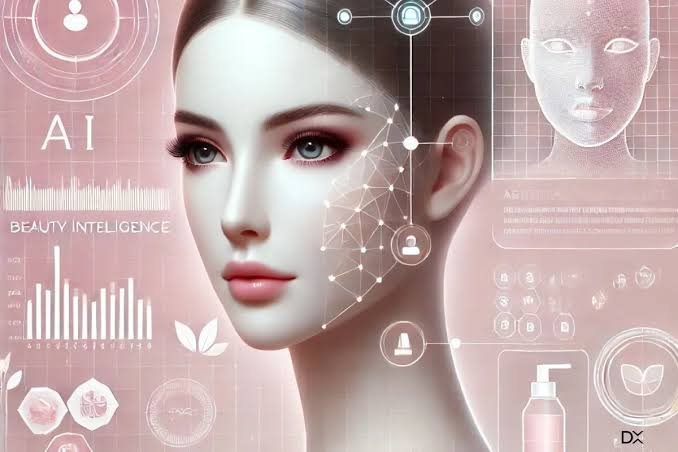

Beauty routines can be surprisingly personal. Someone might ask a friend whether a lipstick suits them, talk through a skincare frustration, or look for encouragement before trying a new style. AI tools such as ChatGPT-4o can offer a low-pressure place to brainstorm those questions, but it helps to remember what they can—and cannot—provide. Used thoughtfully, AI can support beauty planning without becoming a replacement for human connection or professional advice.
How AI Can Help With Everyday Beauty Questions
An AI assistant can make it easier to organize ideas when you are building a routine or sorting through a crowded shelf of products. You might ask it to compare the steps in a morning and evening routine, suggest a simple travel makeup checklist, or explain the difference between a skin tint and a foundation. It can also help turn a broad goal, such as “a quicker workday look,” into a practical sequence of steps.
The most useful prompts include relevant context without sharing more personal information than needed. For example, you could mention that you prefer fragrance-free products, have limited time in the morning, or want a natural finish. Treat the response as a starting point, not a personalized diagnosis: AI may misunderstand your needs, overlook an ingredient concern, or give advice that sounds confident but is not right for your skin.
Keep Skin and Safety Decisions Grounded
Beauty advice often involves more than appearance. New breakouts, persistent irritation, changing moles, or a reaction to a product may need attention from a dermatologist or another qualified clinician. A chatbot cannot examine your skin, confirm an allergy, or reliably determine what is causing a symptom. If a concern is painful, worsening, or ongoing, seek professional guidance rather than relying on an AI conversation.
For routine product choices, check the packaging and ingredient list yourself, especially if you have known sensitivities. Introduce new products gradually and stop using one if it causes a concerning reaction. AI can help you prepare questions for a professional or make a shopping list, but it should not be the final authority on health-related decisions.
When a Beauty Tool Starts to Feel Like a Friend
There is a difference between asking an assistant for a blush suggestion and depending on it as your main source of comfort. Conversational tools can feel warm and attentive, particularly when they respond quickly and remember the details you share. That sense of ease may be useful, but it is not the same as a mutual relationship with a person who has their own feelings, judgment, and responsibility toward you.
Changes to an AI product can also affect the tone or experience people have grown used to. Readers thinking about that shift can explore AI companionship after GPT-5, including why a familiar assistant may feel meaningful and how to respond if that connection changes. The same reflection applies to beauty conversations: an encouraging reply can help you feel ready to experiment, but your sense of worth should not depend on an app’s approval.
A few simple boundaries can keep the tool in a helpful role:
- Use it for ideas, planning, and wording questions—not as your only source of emotional support.
- Take breaks if you notice yourself turning to the chatbot instead of contacting someone you trust.
- Avoid sharing intimate details, photos, or identifying information that are not needed for the task.
- Make the final choice about your appearance based on your preferences, comfort, and real-world needs.
Designing Beauty Apps Around Real People
Beauty apps can combine practical features such as routine reminders, product inventories, shade notes, and appointment scheduling. The best experiences make those features easy to use and clear about their limits. A virtual try-on, for instance, can help someone compare colors, but lighting, screen settings, and camera differences mean the result may not match how a product looks in person.
For a business developing a beauty or wellness app, thoughtful design matters as much as the feature list. A clear privacy policy, accessible interface, and sensible prompts can help users feel informed rather than pressured. If a team needs outside technical support, Osdire’s guide to hiring a mobile app developer outlines considerations such as skills, costs, and the hiring process. That kind of planning can be useful when translating an idea into a reliable app, whether it focuses on beauty bookings or routine tracking.
Let Technology Support Your Own Style
There is no single correct way to use AI in a beauty routine. One person may find it handy for organizing products; another may prefer a notebook, a friend’s opinion, or advice from a licensed professional. Keep the tools that save time or spark useful ideas, and step away from anything that makes you feel judged, anxious, or overly dependent.
Beauty is personal, and digital tools are most valuable when they leave room for that individuality. ChatGPT-4o can help you explore options and put your thoughts into words, but it cannot decide what makes you feel comfortable or confident. Use it as a practical assistant, stay mindful of privacy and safety, and keep human support in your life beyond the screen.